

What is Delta 9 THC?
Delta-9 THC or tetrahydrocannabinol, commonly known as delta-9 THC, is the primary psychoactive compound found in cannabis plants. It’s the chemical responsible for the high a person experiencees when they consume marijuana. Delta-9 THC can occur naturally in cannabis or be synthesized in a lab.
Delta-9 THC (Delta-9-tetrahydrocannabidiol) is a cannabinoid molecule in cannabis that is recognized as the main psychoactive ingredient.
Table of Contents
Properties of Delta 9 THC
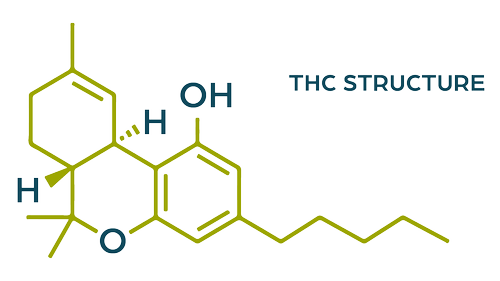
Psychoactive Effects: Delta-9 THC is the main psychoactive component of cannabis, meaning it alters perception, mood, and behavior.
Occurrence: It’s the most abundant THC compound in cannabis.
Natural vs. Synthetic: Delta-9 THC can be extracted from cannabis plants or created in a lab.
Legality: The legal status of delta-9 THC varies by location, with many states having legalized it for medical purposes with a prescription, while some have also legalized it for recreational use.
Other THC Isomers: While delta-9 THC is the most prominent, other forms of THC exist, such as delta-8 THC and delta-10 THC, which have slightly different chemical structures and effects, according to the University of South Carolina.
Potency: Delta-9 THC is generally considered more potent than other THC isomers like delta-8 THC, according to the University at Buffalo
Is Delta-9 federally legal?
Under federal law, delta-9 THC is:
- illegal if it is derived from marijuana
- legal if it is derived from hemp and does not exceed 0.3% delta-9 THC by dry weight
This distinction is based on the 2018 Farm Bill, which created a legal loophole that has allowed for the widespread sale of intoxicating hemp products.
What is the dry weight legal loophole?
Under federal law, Delta 9 THC is classified as a Schedule I drug, making it illegal in the United States. However, hemp-derived Delta 9 THC is allowed under federal law as long as it has less than 0.3% Delta 9 THC on a dry-weight basis.
The “dry weight” calculation has created a significant loophole, especially for edibles. A product like a gummy or beverage can contain a relatively high amount of total delta-9 THC and still be legal, as long as its weight is high enough to keep the THC concentration below the 0.3% federal limit. Because the total THC content can be substantial, these products can have intoxicating effects, even though they technically comply with federal law.
Why is Delta-8 legal but not Delta 9?
The distinction between Δ8 and Δ9 originally came from the 2018 Farm Bill covering hemp growing and sales. Hemp is defined as a cannabis plant that has less than 0.3% Δ9-THC by dry weight. Anything that has more concentrated Δ9-THC than that is considered marijuana.
One significant concern with both delta-8 THC and delta-9 THC products is quality control. Without strict regulations, products can vary widely in terms of purity and potency. Contaminants such as pesticides, heavy metals, and residual solvents from the extraction process can pose significant health risks.
This issue is particularly concerning for delta-8 THC products, as the methods used to synthesize delta-8 THC from CBD can introduce harmful byproducts if not properly managed.
Related: