
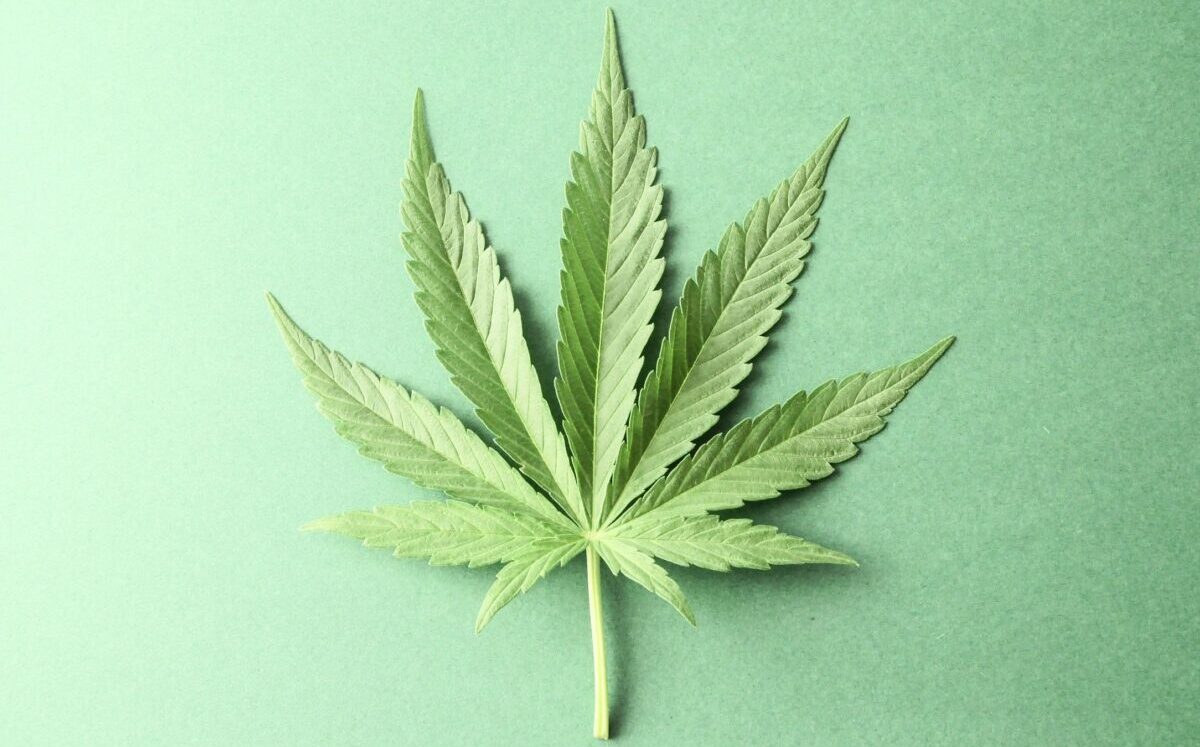
What is Cannabis?
Cannabis is a genus of flowering plants in the Cannabaceae family, widely regarded as indigenous to and originating from Asia.
This article was originally published on October 1, 2022 and last updated on September 30, 2025.
The number of recognized species is disputed, but typically three species are acknowledged:
- Cannabis sativa
- Cannabis indica
- Cannabis ruderalis
Alternatively, Cannabis ruderalis may be classified as a variety of Cannabis sativa, or all three species might be viewed as subspecies of Cannabis sativa. In some classifications, Cannabis sativa is considered a single, undivided species.
| species | characteristics |
|---|---|
| Cannabis sativa | Typically a tall plant with long, narrow leaflets, commonly cultivated |
| Cannabis indica | Shorter, more densely branched, with broad leaflets, commonly cultivated, originating from the Hindu Kush region. |
| Cannabis ruderalis | A very short variety found in Central and Eastern Europe and Russia that flowers based on its age, not the amount of light it receives, produces low levels of psychoactive compounds. |
What is cannabis used for?
People use the cannabis plant for recreational and medicinal purposes. Various parts of the plant, including dried leaves and seed oil, are utilized. Cannabis can produce pleasurable effects and may help alleviate symptoms of various conditions, such as chronic pain. The harvesting method varies for each part of the plant, depending on its intended use.
There are many ways to consume cannabis, including brewing it as tea, eating it in edibles like brownies or candies, consuming it raw, applying it topically, smoking or vaping it, and taking it in capsules or supplements.
What are CBD and THC?
Cannabis contains more than 120 components known as cannabinoids. The two most recognized and abundant cannabinoids are cannabidiol (CBD) and tetrahydrocannabinol (THC).
While some cannabinoids can have euphoric or psychoactive effects, THC is known to produce both. On the other hand, CBD is psychoactive but does not cause intoxication. CBD is available in various forms, including topical oils and creams, capsules for oral use as a supplement, and edible products like gummies.
Is CBD legal? The Farm Bill of 2018 removed hemp from the legal definition of marijuana in the Controlled Substances Act. This change made certain hemp-derived CBD products containing less than 0.3 percent THC federally legal. However, products with more than 0.3 percent THC are still considered illegal under federal law, although they may be legal in some states.
| Effect | CBD | THC |
|---|---|---|
| psychoactive | yes | yes |
| intoxicating & euphoric | no | yes |
What are the medical uses of Cannabis?
People use cannabis to help manage chronic pain, nausea from chemotherapy treatment, and some symptoms of multiple sclerosis (MS). Additionally, there is evidence that it can help alleviate sleep problems associated with sleep apnea and fibromyalgia. Additionally, it may be helpful for other conditions, including low appetite, Tourette’s syndrome, and anxiety.
The Food and Drug Administration (FDA) approved Epidiolex in 2018. This medication is derived from cannabis and is used to treat two rare types of severe epilepsy. Epidiolex is a purified form of CBD but does not contain THC.
Effects of Cannabis
There are many different ways to use cannabis. And the method of use can determine the effects of the drug.
Smoking or Inhaling
A sense of joy can start within minutes and peak after 10–30 minutes. The feeling will typically wear off after about 2 hours.
Eating or Ingesting
Cannabis products in edibles like gummy bears or brownies.
Topical
Skin patches, or topicals, let the ingredients enter the body over a prolonged period. This steady infusion can benefit people using cannabis to treat pain and inflammation.
How do cannabinoids work?
Humans naturally produce cannabinoids through the endocannabinoid system (ECS). Cannabinoids interact with your body’s endocannabinoid system ECS, a complex network of receptors, enzymes, and endocannabinoids that regulate functions such as mood, appetite, and pain perception. These cannabinoids function similarly to neurotransmitters, sending messages throughout the nervous system. They influence various functions, including thinking, memory, coordination, concentration, movement, sensory perception, and pleasure. Cannabinoid receptors also respond to THC and other cannabinoids, which means that cannabinoids from external sources can potentially disrupt brain function.
Most cannabinoids, like THC, bind to CB1 receptors in the brain, resulting in psychoactive effects. Others, like CBD, do not bind directly but instead modulate the ECS. Activating the CB1 and CB2 receptors influences the release of neurotransmitters and other cellular processes, ultimately affecting both physiological and psychological responses.
Related: