
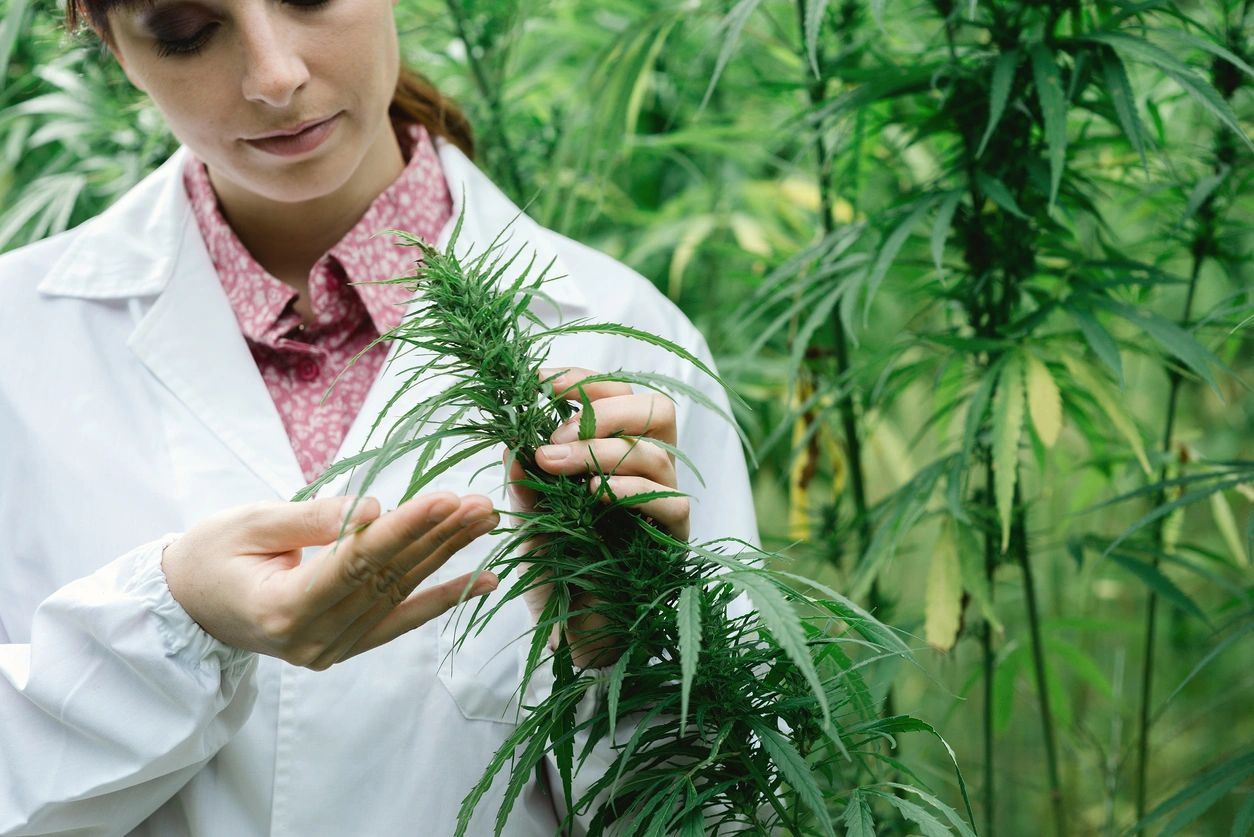
Job Profile: Cannabis Cultivation Coordinator
A cannabis cultivation coordinator oversees daily growing operations, ensures quality control, manages resources, and maintains records for optimal crop growth. This role is common in horticulture and agriculture, including the cannabis industry, where compliance with regulations is a key responsibility.
The cannabis industry is dynamic and rapidly evolving, and its economic impact has been growing over the years. In recent years, the legal cannabis industry in the US has seen significant expansion as more states have legalized either medical or recreational cannabis use. The industry includes cultivation, processing, distribution, and retail.
This article was originally published December 19, 2023 and last updated on October 12, 2025.
Table of Contents
- Cannabis Cultivation Coordinator Career Card
- What is a Cannabis Cultivation Coordinator?
- What does a Cannabis Cultivation Coordinator do?
- What education does a Cannabis Cultivation Coordinator need?
- How do you become a Cannabis Cultivation Coordinator?
- How much does a Cannabis Cultivation Coordinator make?
Cannabis Cultivation Coordinator Career Card
AKA: Cannabis Cultivation Manager
Salary: Approximately $25,000 – $100,000 per year
Level: Mid-level
Primary Duties: oversees daily growing operations
Education Requirements: bachelor’s degree in plant science, horticulture, biotechnology, or a related field
Career Progression: Potential to progress to Cultivation Manager role and then Director of Cultivation
What is a Cannabis Cultivation Coordinator?
A Cannabis Cultivation Coordinator is a professional responsible for overseeing and coordinating various aspects of cannabis cultivation operations. This role is typically found in the cannabis industry, where the cultivation of cannabis plants is a crucial step in the production of cannabis products.
What does a Cannabis Cultivation Coordinator do?
Overall, a Cannabis Cultivation Coordinator plays a pivotal role in managing the cultivation process from seed to harvest, ensuring that it meets quality standards, regulatory requirements, and business objectives. The specific responsibilities may vary depending on the size and structure of the cannabis cultivation operation.
Key responsibilities of a Cannabis Cultivation Coordinator may include:
- Crop Planning: Planning and scheduling cultivation activities based on production goals and regulatory requirements.
- Strain Selection: Collaborating with cultivation experts to choose appropriate cannabis strains based on market demand, potency, and other relevant factors.
- Cultivation Process Oversight: Managing and supervising the day-to-day activities related to the cultivation of cannabis plants, including planting, watering, fertilizing, pruning, and harvesting.
- Compliance: Ensuring compliance with local, state, and federal cannabis cultivation regulations. This includes monitoring and implementing changes in regulations that may affect cultivation practices.
- Resource Management: Managing resources such as labor, equipment, and supplies to optimize efficiency and productivity in the cultivation process.
- Quality Control: Implement and maintain quality control measures to ensure the production of high-quality cannabis products. This includes monitoring environmental conditions, pest control, and disease management.
- Data Management: Keeping records and data related to cultivation activities, including crop yields, plant health, and any other relevant metrics. Analyzing this data to make informed decisions and improvements.
- Training and Development: Training and supervising cultivation staff, ensuring that they follow best practices and adhere to safety protocols.
- Communication: Collaborating with other departments, such as sales, marketing, and operations, to ensure a smooth flow of information and coordination between different aspects of the business.
- Continuous Improvement: Identifying opportunities for process improvement and implementing changes to enhance efficiency, reduce costs, and improve overall cultivation outcomes.
What education does a Cannabis Cultivation Coordinator need?
While formal degrees are beneficial for a Cannabis Cultivation Coordinator position, the role generally requires a mix of formal education, specialized cannabis certifications, and practical experience. The exact combination of qualifications depends on the employer and the size of the operation.
Formal education:
A university degree is not always required but can significantly improve your chances and provide a strong foundation in plant science and general business practices.
- Best degrees: A bachelor’s degree in horticulture, botany, or agricultural science is highly valuable. These programs provide knowledge in plant biology, soil science, pest management, and plant breeding.
- Relevant degrees: A bachelor’s or associate degree in a cannabis-specific program, often blending science, business, and compliance, is also a strong asset.
Specialized certifications and training:
Cannabis-specific courses and certifications demonstrate specialized expertise in this highly regulated industry.
- Cultivation specialist certificates: Many colleges and private companies offer certificate programs that cover cultivation techniques, grow-room operations, harvesting, curing, and regulatory compliance.
- Industry credentials: Credentialing bodies, like the Green Flower Institute, offer certificates that signal expertise to employers.
- Compliance training: Courses focusing on specific state and local cannabis laws are crucial, as compliance is a core responsibility for coordinators.
Work experience:
Practical, hands-on experience is often as important as education in the cultivation sector.
- Cannabis-specific experience: Many cultivation coordinators, master growers, and directors work their way up from entry-level positions like cultivation technicians or trimmers.
- Agricultural experience: Previous work in agriculture, farming, or a commercial greenhouse, even outside the cannabis industry, provides valuable transferable skills.
- Managerial experience: For a coordinator or manager role, prior experience supervising teams and overseeing operations is often required or preferred.
Key skills for cultivation coordinators:
Beyond formal credentials, successful cultivation coordinators must possess a specific set of skills:
- Cultivation expertise: Deep knowledge of plant biology, pest and disease management, and environmental controls like irrigation, HVAC, and lighting.
- Operational management: Proficiency in using cultivation tracking software, managing inventory, and creating and following standard operating procedures (SOPs).
- Regulatory compliance: Meticulous attention to detail to ensure all processes comply with state and local regulations.
- Leadership: The ability to supervise, train, and manage a team of cultivation assistants and technicians.
How do you become a Cannabis Cultivation Coordinator?
Becoming a Cannabis Cultivation Coordinator typically involves a combination of education, experience, and specific skills related to cannabis cultivation and management. Here are general steps that may help you pursue a career as a Cannabis Cultivation Coordinator:
1. Education
Obtain a relevant degree in horticulture, agriculture, botany, or a related field. Some universities and colleges offer programs specifically focused on cannabis cultivation.
2. Gain Relevant Experience
Work in the industry and gain hands-on experience. Entry-level positions in cultivation, such as a cultivation assistant or technician, provide valuable experience and insights into the cultivation process.
3. Develop Cannabis Industry Knowledge
Stay informed and keep abreast of developments in the cannabis industry, including changes in regulations, cultivation techniques, and industry best practices.
4. Build Skills
Develop cultivation expertise, including knowledge of different strains, growing techniques, pest management, and environmental controls. Cultivation Coordinators are often responsible for overseeing a team. Develop skills in leadership, communication, and team management. Familiarize yourself with local, state, and federal regulations governing cannabis cultivation to ensure regulatory compliance.
5. Network
Attend industry events and participate in cannabis-related conferences, workshops, and network with professionals in the field. Networking can open up opportunities and provide insights into industry trends.
6. Obtain Necessary Certifications
Some jurisdictions may require specific certifications related to cannabis cultivation. Obtain any required certifications to enhance your credibility in the industry.
7. Apply for Positions
Monitor job boards and look for job opportunities on company websites and in industry publications for Cannabis Cultivation Coordinator positions. Tailor your resume to highlight relevant experience and skills. Be prepared for interviews by showcasing your knowledge of cannabis cultivation, your experience in managing cultivation operations, and your ability to ensure regulatory compliance.
8. Continued Learning
The cannabis industry is dynamic, with ongoing developments in cultivation techniques and regulations. Stay committed to continued learning to stay informed about the latest trends and advancements.
It’s important to note that requirements may vary depending on the specific employer and the legal and regulatory environment in the region. Additionally, gaining hands-on experience and demonstrating a passion for the industry can be crucial in securing a position as a Cannabis Cultivation Coordinator.
How much does a Cannabis Cultivation Coordinator make?
The salary of a Cannabis Cultivation Coordinator can vary based on several factors, including the location, the size and scale of the cannabis cultivation operation, the coordinator’s level of experience, and the overall demand for qualified professionals in the industry.
The Cannabis Salary Guide reports the annual salary ranges for many jobs in the cannabis industry. However, it does not list the cannabis cultivation coordinator role.
| Cultivation Position | 2022 Annual Salary | 2023 Annual Salary | 2024 Annual Salary |
|---|---|---|---|
| VP of Cultivation | $237,500 | $155,000 – $278,800 | $159,500 – $287,800 |
| Director of Cultivation | $143,350 | $115,000 – $130,000 | $120,750 – $145,000 |
| Agronomist | $95,250 | $97,900 | $102,700 |
| Plant Breeder | $81,450 | $84,750 | $88,250 |
| Cultivation Manager | not listed | not listed | not listed |
| Integrated Pest Manager | $73,700 | $75,800 | $77,650 |
| Tissue Culture Manager | $86,300 | $88,100 | $91,050 |
| Cultivation Coordinator | not listed | not listed | not listed |
| Tissue Culture Technician | $71,500 | $74,350 | $76,100 |
| Cultivation Technician | $26,500 | $27,450 | $28,750 |
| Trimmer | $35,250 | $36,200 | $37,200 |
In the United States, larger and more established cannabis operations in states with legalized cannabis may offer higher salaries, especially if they require significant experience and expertise in cultivation. Salaries also vary between multi-state operators (MSOs) and single-state operators (SSOs). Based on other online sources, the annual salary for a Cannabis Cultivation Coordinator can range from $27,000 to $101,000 or more.
| Source | Average Annual Salary | Range |
|---|---|---|
| ZipRecruiter | $57,869 | $27,000 to $101,500 |
| mg Magazine | $110,000 | $90,000 to $150,000 |
ZipRecruiter Cannabis Cultivation Manager Salary:

It’s essential to note that the cannabis industry is dynamic and rapidly evolving, and salary ranges can be influenced by factors such as market demand, regulatory changes, and industry growth. For the most current and accurate salary information, it’s recommended to consult recent job postings. industry reports, or reach out to professionals working in the field. Additionally, salaries may vary in different countries and regions where cannabis cultivation is legal.
Related: